01 / Platform
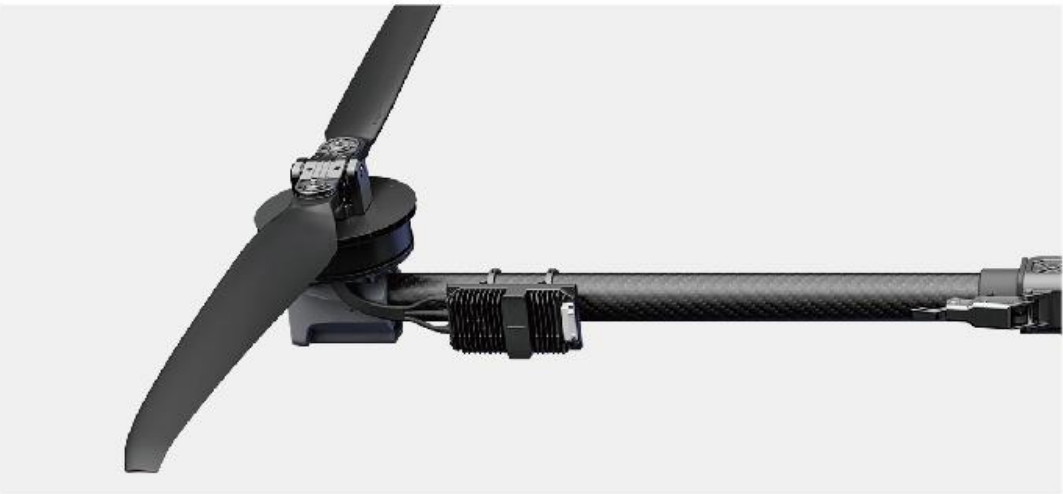
Airframe design
A 2640 mm symmetrical frame in aviation-grade aluminium, sealed to IP67. Folding arms shorten transport; the open layout keeps maintenance access simple.
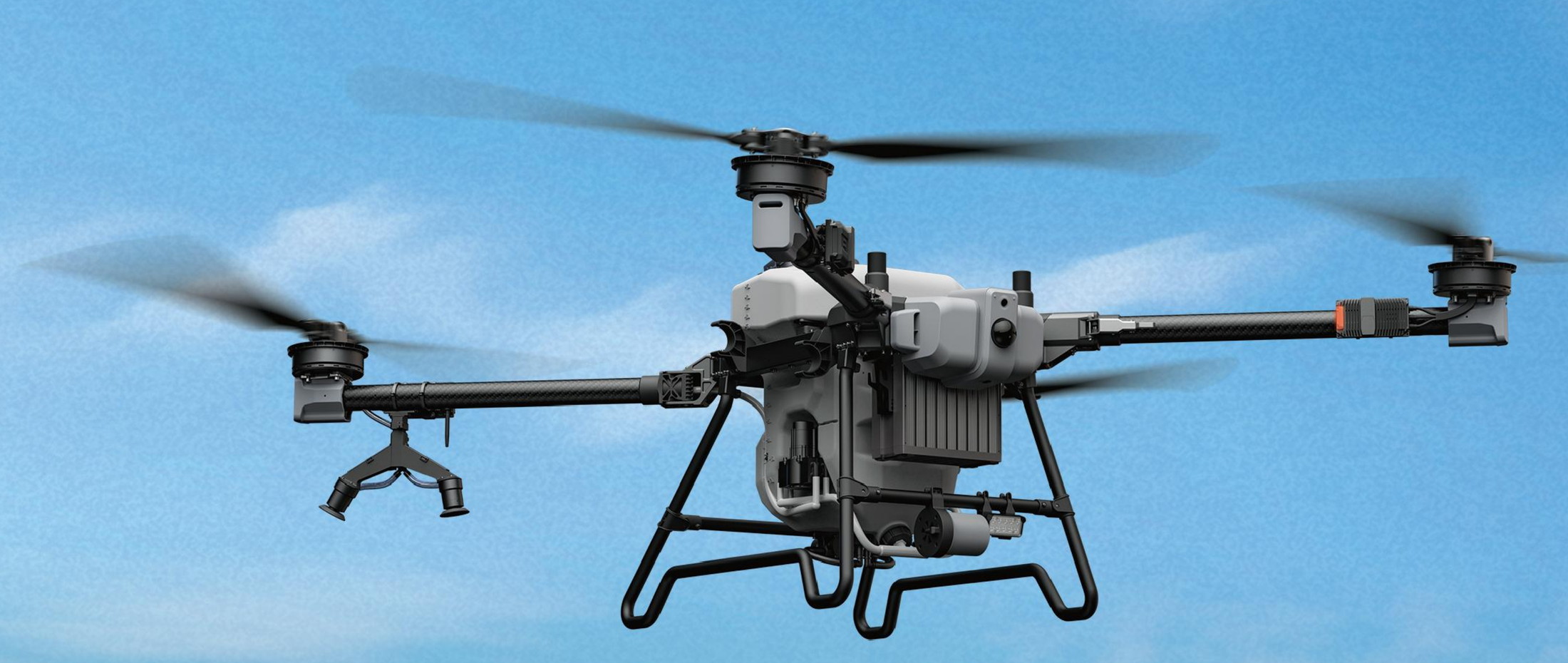
One airframe for liquid spraying, granular spreading and cargo lifting — with the sensing, positioning and charging systems that keep it working through a full season.
Systems
Each module is serviceable on its own. Pumps, nozzles, hoppers and sensors can be replaced without dismantling the aircraft — which is what keeps a busy machine in the field.
A 2640 mm symmetrical frame in aviation-grade aluminium, sealed to IP67. Folding arms shorten transport; the open layout keeps maintenance access simple.
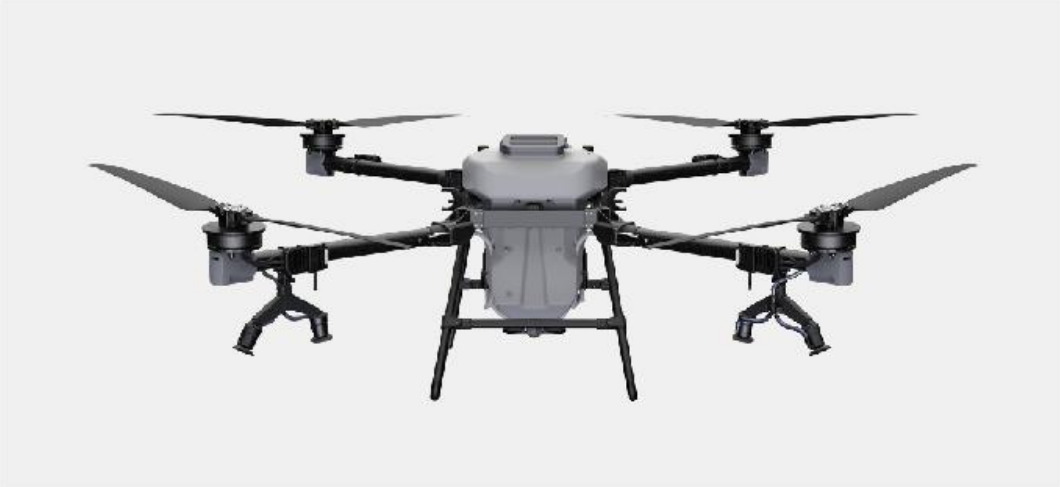
An 80 L tank feeds two metering peristaltic pumps and four centrifugal nozzles. 40 L/min maximum flow, 30–500 μm droplets and a 6–10 m swath.
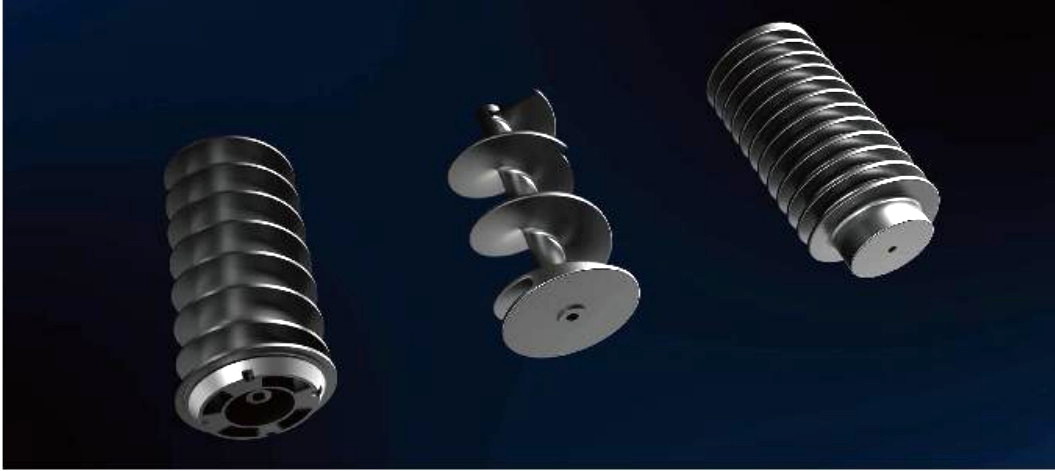
A 120 L hopper with auger metering and a centrifugal disc. Up to 80 kg per fill, thrown 5–10 m, with a maximum discharge rate of 400 L/min.
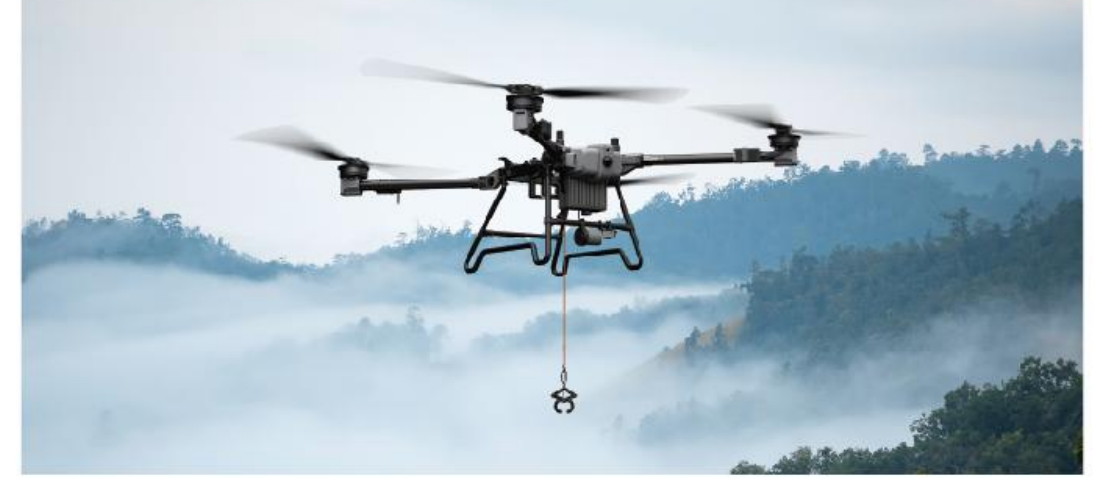
An 85 kg hook load on a standard 10 m cable, with smart anti-sway, automatic landing release and a one-key emergency release.
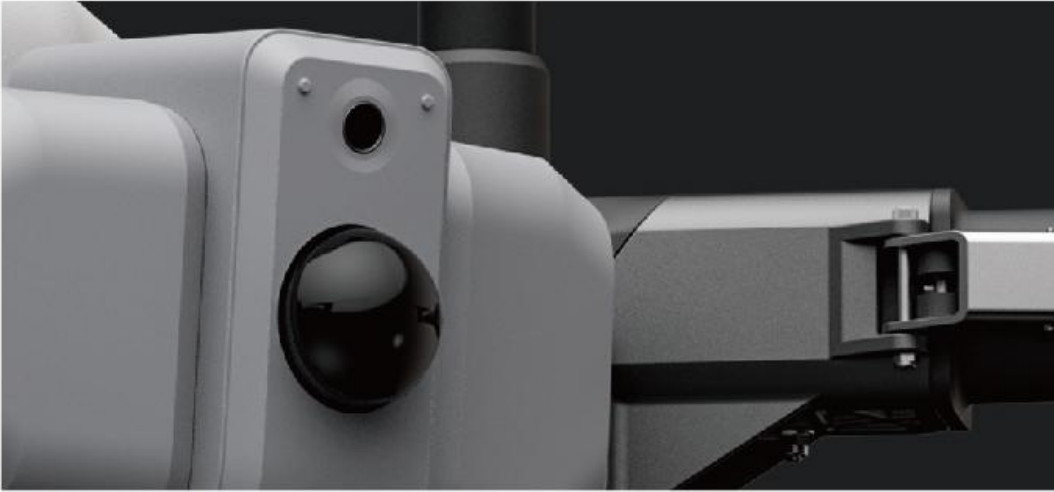
LiDAR plus millimeter-wave radar scan 360° and hold altitude from 1 to 30 m. Terrain is modelled in real time, and the flight path is re-planned around trees, wires and structures.
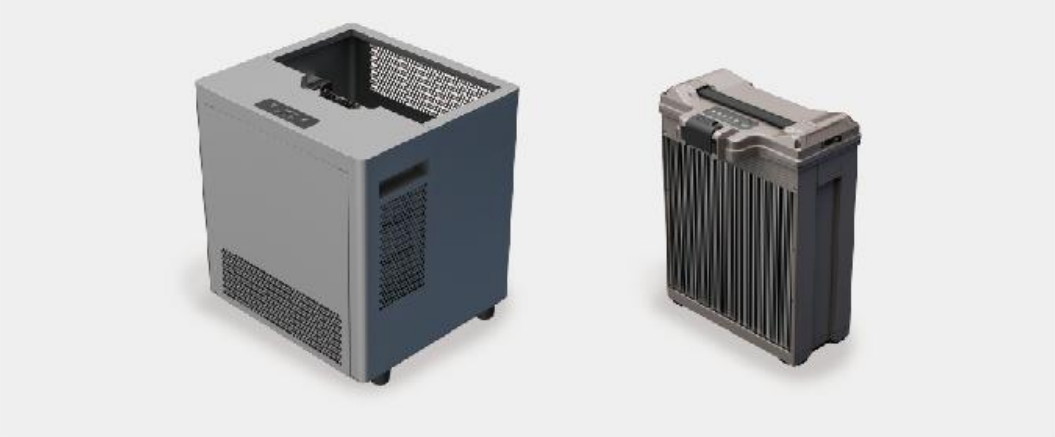
Two 34 Ah smart packs, rated for 1,500 cycles, charge on a 12 kW three-phase charger. Dual-battery rotation keeps a second set ready while the first flies.
A 7-inch 1500-nit display, 2.4/5.8 GHz dual-band link up to 10 km, video to 3 km, 10-hour endurance and 60 W fast charging. Sunshade, battery backpack and high-precision positioning module are optional.
Low-light full-colour FPV with an 86° horizontal field of view, paired with 80 W bidirectional lights for visibility on the ground and in the air.
Technical data
Figures below follow the current FP800 datasheet. Configuration-dependent values are marked as optional; final specification is confirmed on the proforma invoice.
Download PDFNotes: hover time is measured near sea level with wind speed below 3 m/s and ambient temperature around 25 °C. Spray and spread figures depend on nozzle, material density and operating speed. Specifications are subject to change without notice.
In the box
Each kit ships assembled, calibrated and flight-tested, with the accessories needed for the first working day.
Documentation
Share the datasheet with your agronomist or workshop, or send the brochure with a quotation to your customer.
Questions
The questions buyers ask most often, answered with the numbers from the datasheet rather than a brochure claim.
Ask something elseNo. The FP800 uses one airframe with interchangeable assemblies: the 80 L spray tank and nozzle boom, the SP-7 120 L spreader, or the cargo hook. The configuration is set in firmware and confirmed in writing on the order.
It depends on application rate, swath and speed. With a 10 m swath and 10 m/s working speed the aircraft covers ground quickly, but tank volume usually limits the sortie before the battery does. Send your target litres per hectare and row spacing and we will calculate sorties per tank and the battery count for a working day.
Radar and LiDAR hold altitude from 1 to 30 m above the terrain and re-plan around trees, wires and buildings, while RTK keeps the flight line within ±0.1 m. Very steep or heavily terraced blocks should be reviewed on a site plan before the configuration is fixed.
Each set is packed in flight cases with UN38.3 battery documentation, commercial invoice and packing list. Sea and air freight are both available; we confirm the Incoterms and the destination port or airport on the quotation.
Commissioning support by video call, English operating material, flight-log review and spare parts from stock in Wuhan. Dealer teams can arrange technical sessions covering assembly, calibration and fault diagnosis.
Configure an FP800
Tell us the crop, row spacing, plot size and terrain. We will confirm tank or hopper configuration, battery count and shipping terms.
Opens WhatsApp with a pre-filled message